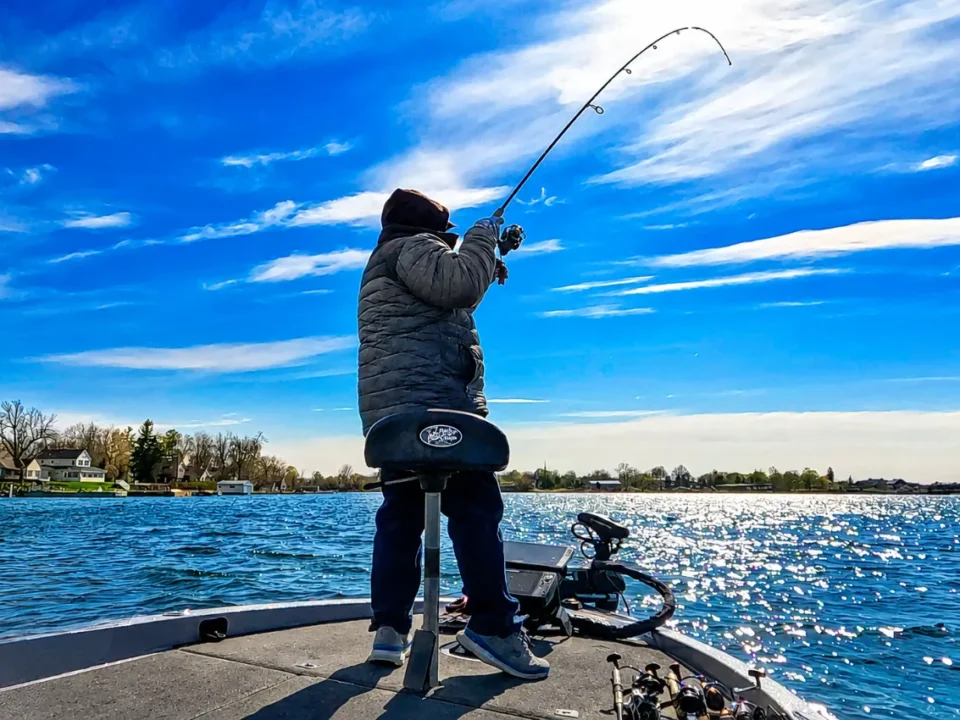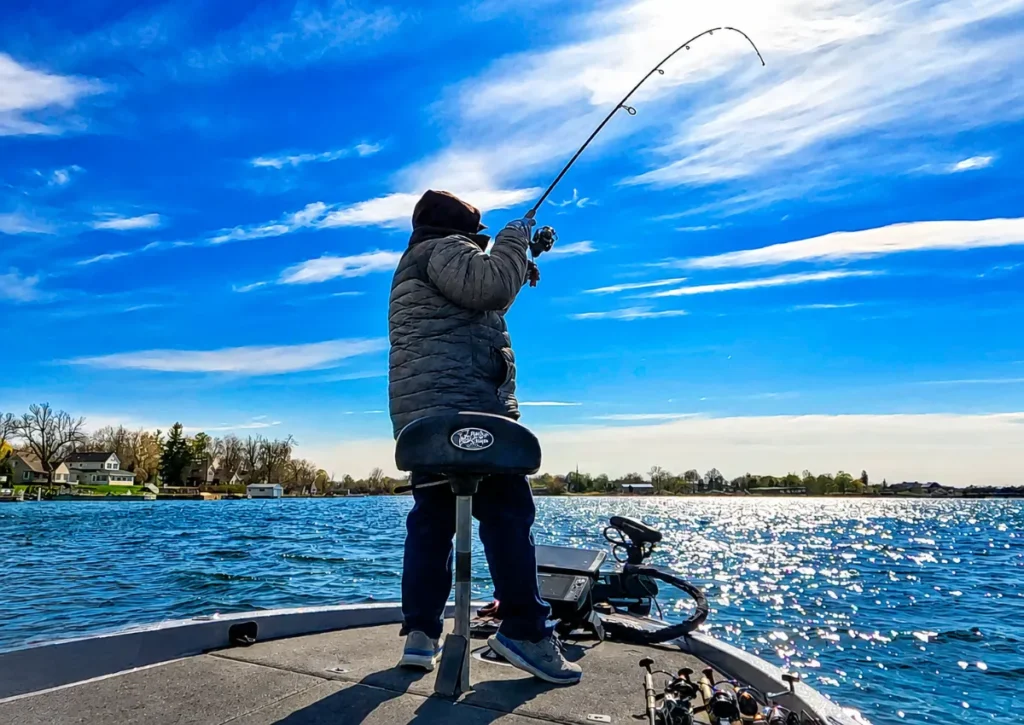
Every bass angler has felt it. A fish blows up on your bait, bumps your jig, or simply misses the hook. The natural reaction is often to change lures or move on to the next target. More often than not, that's exactly the wrong move.
A missed strike tells you something important. The fish was interested enough to commit. Before making any changes, put the bait right back where the bite happened. You'd be surprised how often that second cast produces the fish.
Why Another Cast Works
There are several reasons why a follow-up cast can be just as productive, or even better, than the first.
- The bass is still fired up. A fish that just missed your bait often hasn't lost interest. Many bass will immediately look for another opportunity to finish the job.
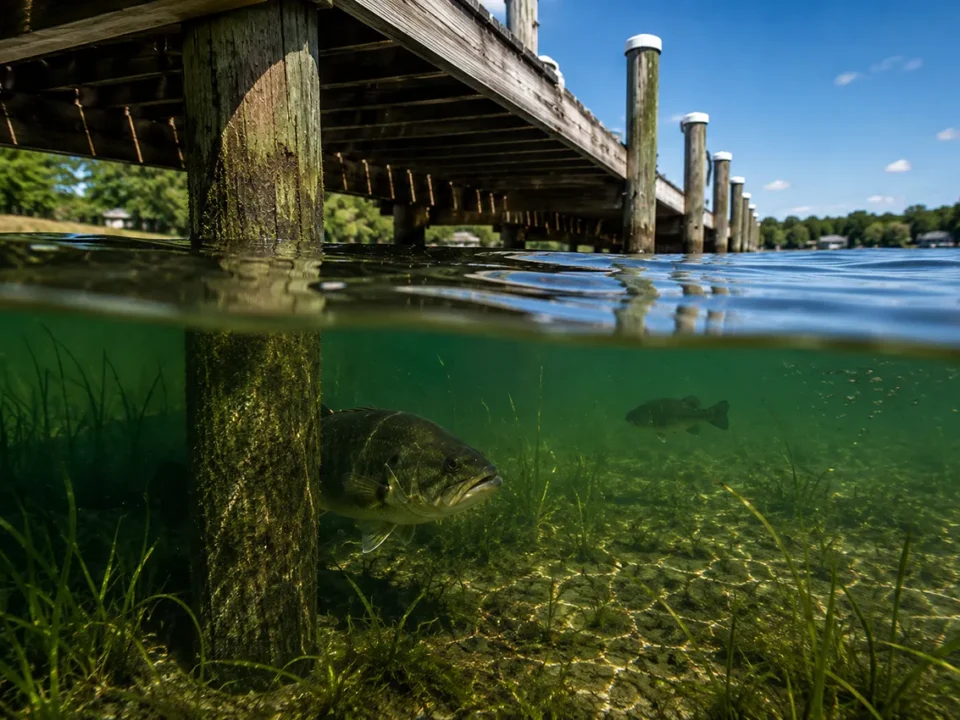
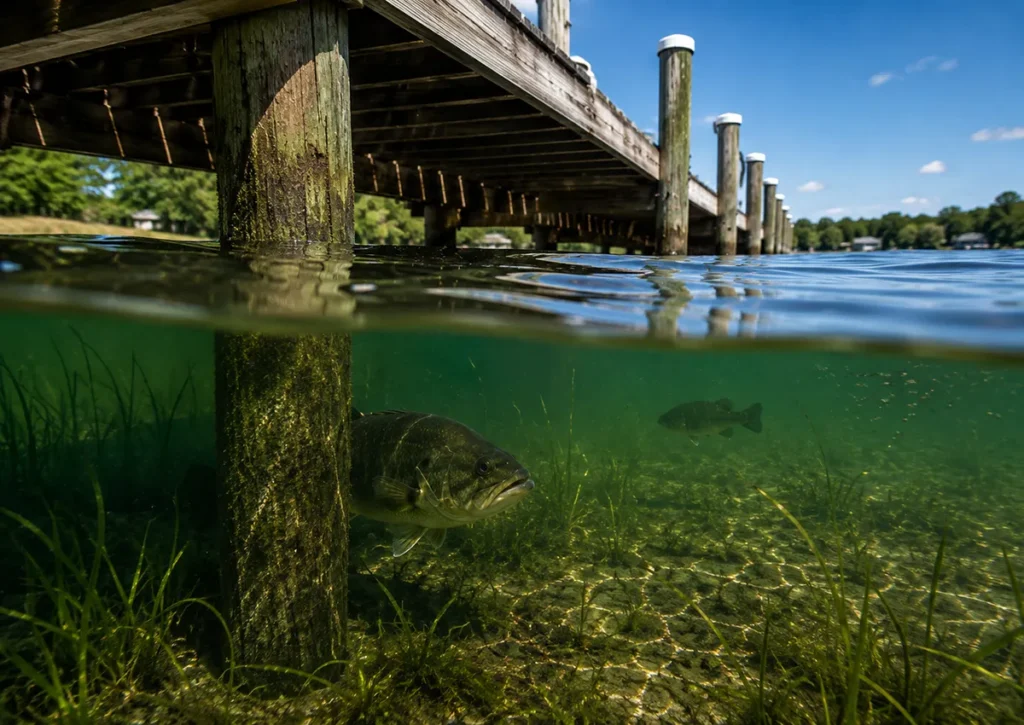
- There may be more than one fish. Docks, grass, wood, and other high-percentage cover frequently hold multiple bass. Even if the first fish doesn't bite again, another one may.
- Your presentation already proved itself. The strike tells you your lure, retrieve, and presentation were working. Resist the temptation to immediately change colors or techniques.
- Reaction bites happen fast. Getting your bait back into the strike zone before the fish settles down can capitalize on its aggressive mood.
Cast-to-Catch Breakdown
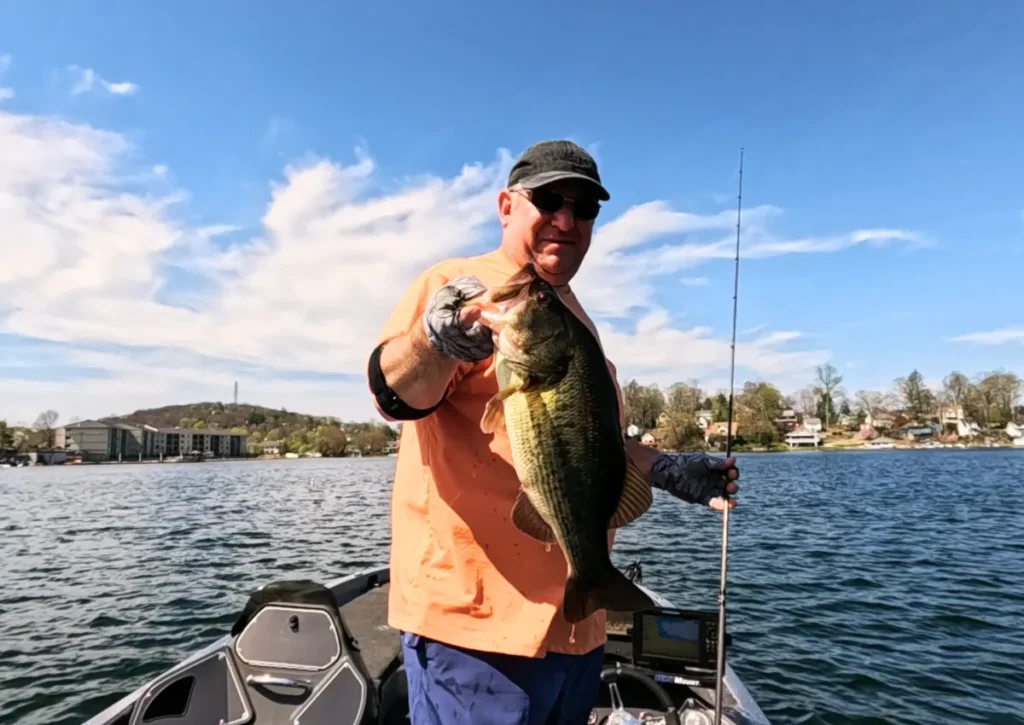
In this clip, a Keitech jig was skipped between two boats where a largemouth bass struck but failed to hook up. Instead of changing baits or moving on, the exact same presentation was fired right back into the same opening. Seconds later, the fish came back and crushed it.
Sometimes the best adjustment you can make is no adjustment at all.
Gear Used
Dock Flipping & Skipping Setup
Rod: G. Loomis GLX 844C MBR 7' Heavy Action
Reel: Shimano Metanium DC
Line: 16 lb Sunline Fluorocarbon
Lure: Keitech Model 1 Jig, 3/8 oz.
Trailer: Keitech 3.3" Fat Swing Impact (Black)
Technique: Pitching & Skipping
Camera: GoPro Hero 12 Black