One of the biggest mistakes anglers make is focusing only on the fish that's hooked. While everyone is watching the rod bend or reaching for the net, other bass are often following right behind. If you're fishing with a partner, having them immediately cast behind the hooked fish can turn one bite into two, or even three.
This isn't a rare occurrence. Smallmouth and largemouth bass frequently travel together, especially when they're actively feeding. Recognizing this behavior can help you catch more fish from the same spot before the opportunity disappears.
🎣 BASSIN' USA Tip: When your fishing partner hooks a bass, don't stop fishing. Keep your eyes on the water and be ready to cast immediately. Those following fish may only stick around for a few seconds.
Why Bass Travel Together
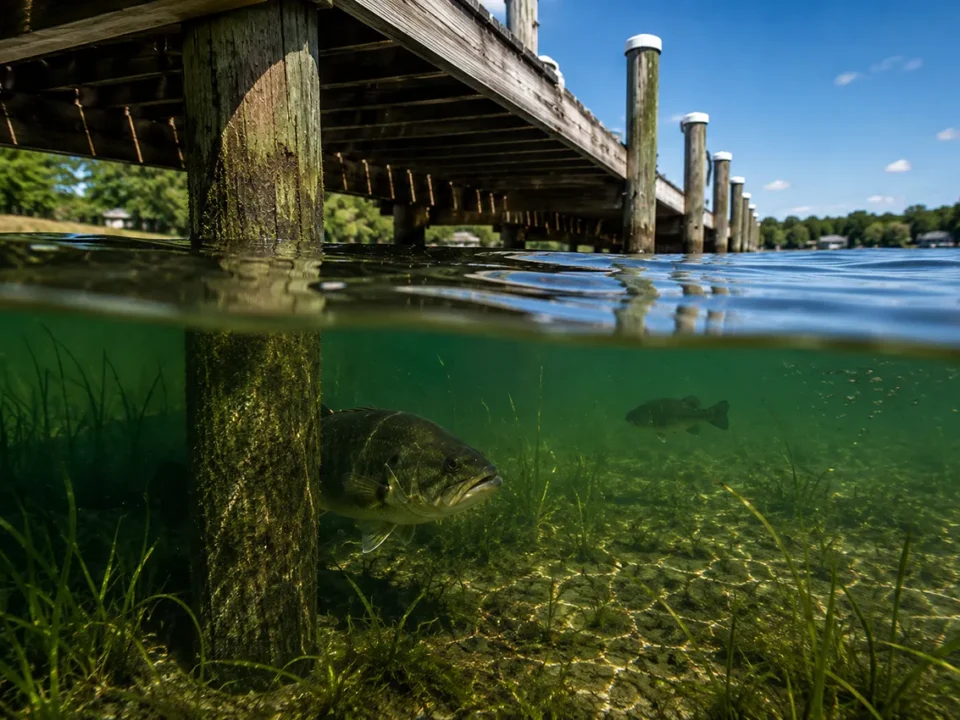
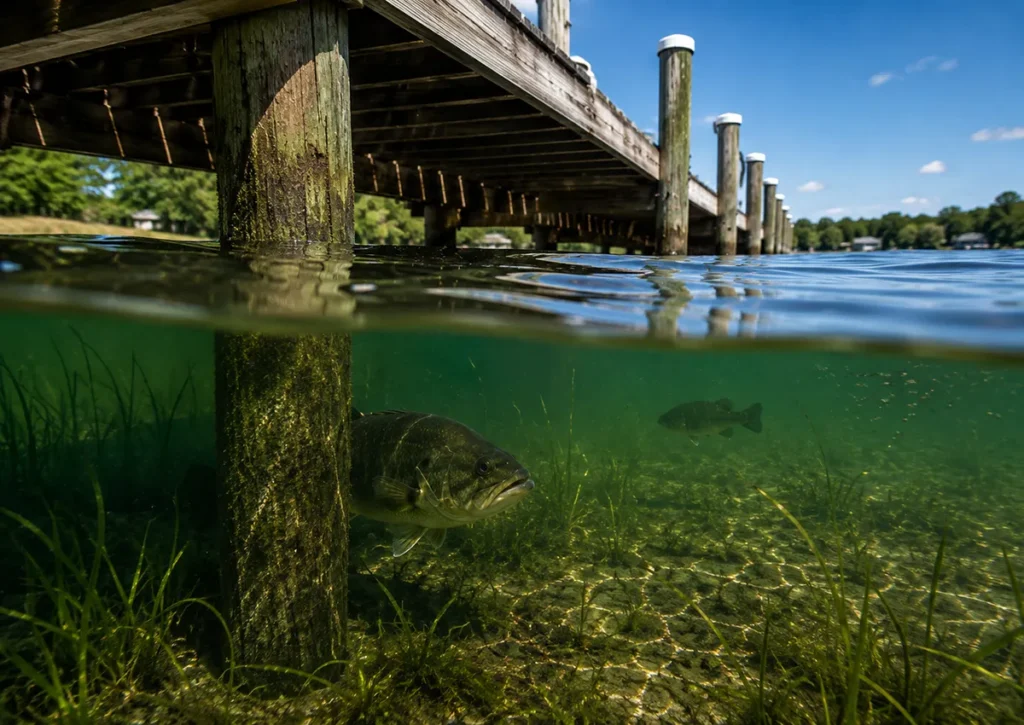
Although anglers often think of bass as solitary predators, they regularly travel in loose groups, especially around baitfish or high-percentage structure. Smallmouth bass are well known for roaming in wolf packs, and when one fish commits to a lure, the others frequently follow out of curiosity or competition.
These groups aren't always large. Sometimes it's only two or three fish, while other times an entire school may be feeding together. That's why catching one bass doesn't necessarily mean the action is over.
When You're Most Likely to See It
Following fish can show up throughout the year, but some seasons produce this behavior more consistently than others.
- Spring: Bass staging before the spawn and recovering afterward often travel in groups around transition areas and spawning flats.
- Summer: Schooling bass aggressively chase baitfish, making multiple fish catches common when feeding activity is high.
- Fall: As bass feed heavily before winter, they'll often group together around bait schools and structure.
- Winter: Bass still school at times, but they're generally less aggressive and hold tighter to deeper structure.
Don't Watch...Cast!
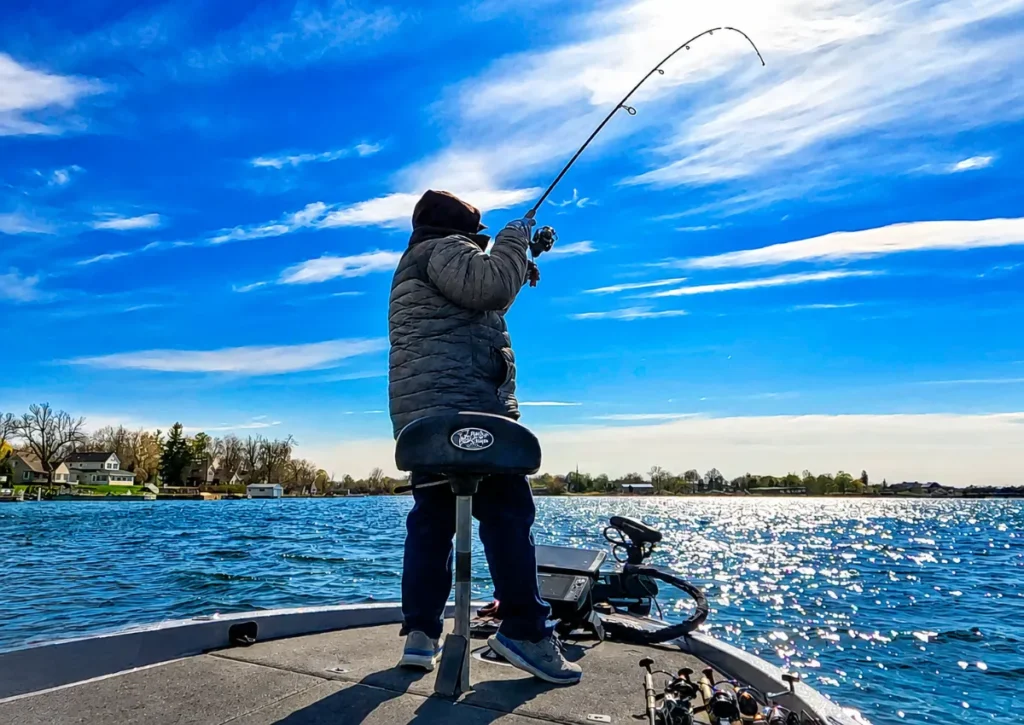
One of the biggest missed opportunities in bass fishing happens when everyone in the boat watches the fight instead of continuing to fish. If your partner hooks a bass, keep another rod ready and immediately cast behind the hooked fish or into the same area.
Excellent follow-up lures include finesse swimbaits, Ned rigs, tubes, drop shots, flukes, or any bait that matches what the fish are already feeding on. The faster you get another lure into the strike zone, the better your chances of catching one of the followers.
Stay on the Spot
Don't assume the area is finished after landing one fish. Many tournament anglers make several additional casts before leaving because they know they're often dealing with a group rather than a single bass. Changing your casting angle, slowing down your presentation, or switching to a finesse bait can quickly produce another bite.
Watch the Video
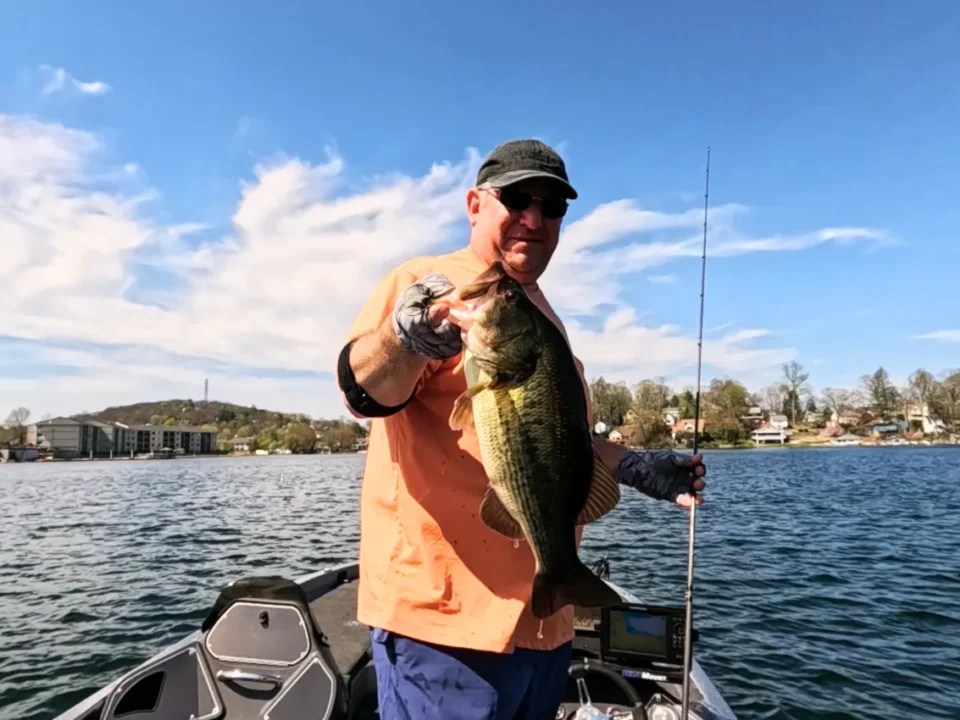
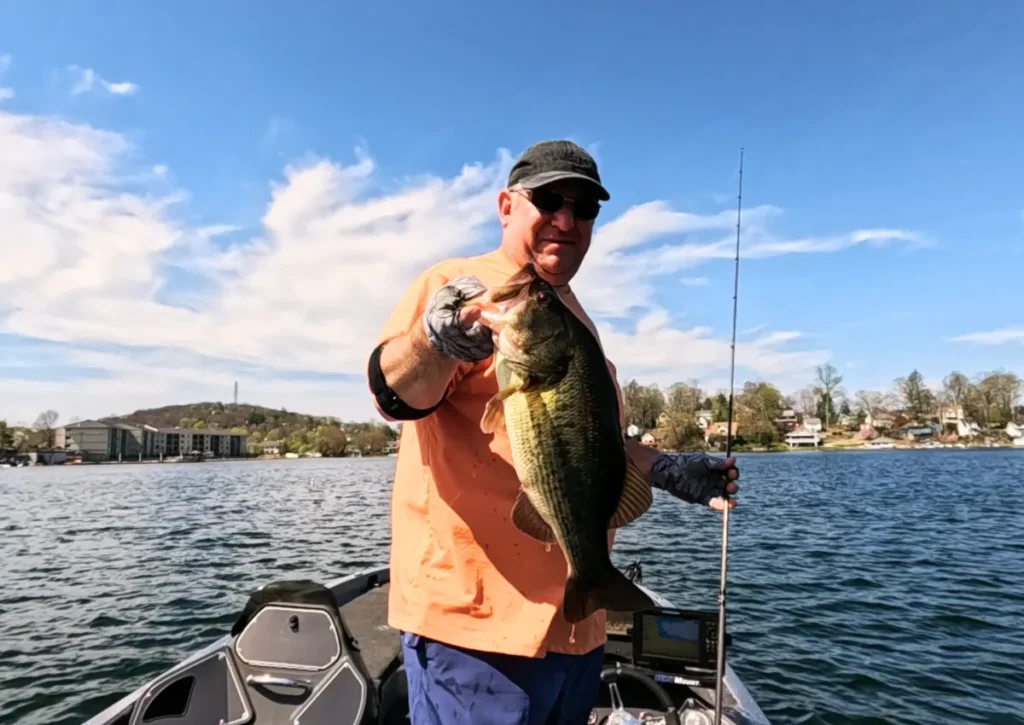
In this clip, a jumbo St. Lawrence River smallmouth wasn't alone. After it was hooked, two more quality fish followed it all the way to the boat. I kept telling my fishing partner to cast behind it, but he never did. It would've made for one exciting double hookup, and it's a perfect example of why paying attention to following fish can pay off.
Gear Used
Finesse Swimbait Setup
Rod: 6'3" Medium-Heavy St. Croix Avid Series
Reel: Daiwa Tatula 2500
Line: 6 lb Sunline FC Sniper Fluorocarbon
Lure: 2.8" Keitech Swing Impact
Jig Head: 1/8 oz. Cabin Creek Jig Head
Color: Black
Technique: Open Water Finesse Swimbait / Hover Strolling
Camera: GoPro Hero 12 Black
Audio: Hollyland Lark M2 Wireless Lavalier Microphone