Two years later, I was fishing a tournament in Alabama with another angler who was catching so many fish I had to stop to see what he was throwing. When I saw the rattletrap on his line, I watched how he would change the retrieve constantly and move the rod tip from left to right and well as up and down.
Have you ever heard the expression, “the light suddenly came on”? Well I realized that the lures I had won all that time ago could actually catch fish, but I still needed a lesson in how to use them correctly.
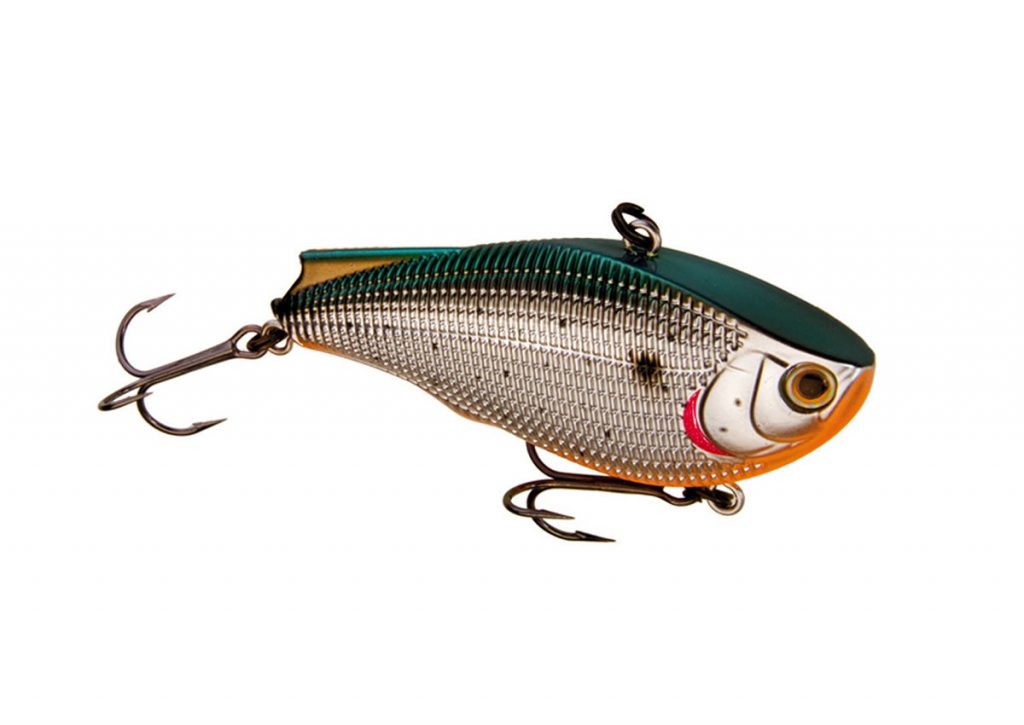
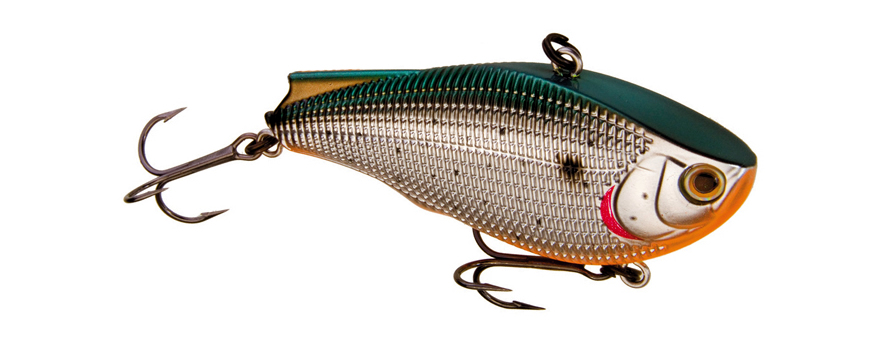
I tied a “trap” on the line and tried to mimic his retrieve tactics. Once again I hooked wood and weed. Maybe it was just me, but I could not get the damn thing to run the way he did! Then I realized that the reel I was using had a retrieve speed of 5.1 to 1. I looked at his reel to see that he was using a 6.3 to 1! Click! On went the light (again) and I switched to a high retrieve reel. After the second cast, I hooked and landed my first “trap” bass, a nice three-pound fish. I caught 4 more fish that afternoon and placed well in the tournament standings for the day thanks to this bait.
So, here are the tools you will need and a few tips on “working the lure”.
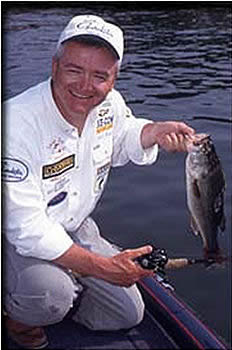 I prefer a six to six and a half-foot medium action rod with a high gear ratio (6 to 1 and above) baitcasting reel for larger baits. A spinning reel will work better with the smaller sizes but again, check the ratio.
Perhaps for those of you who are not familiar with gear ratioÕs I should explain. When you turn the handle of a fishing reel one complete turn, you will have gathered a certain amount of line back as the spool turns. The higher the speed ratio, the more line you bring back on each turn. For crankbaits, spinnerbaits and lipless crankbaits, a high retrieve is excellent. Of course there are situations when you may need to slow down a spinnerbait or regular crankbait, in which case you should choose another reel with a lower gear ratio. However, for the lipless variety of crankbaits, a high-speed reel is the key.
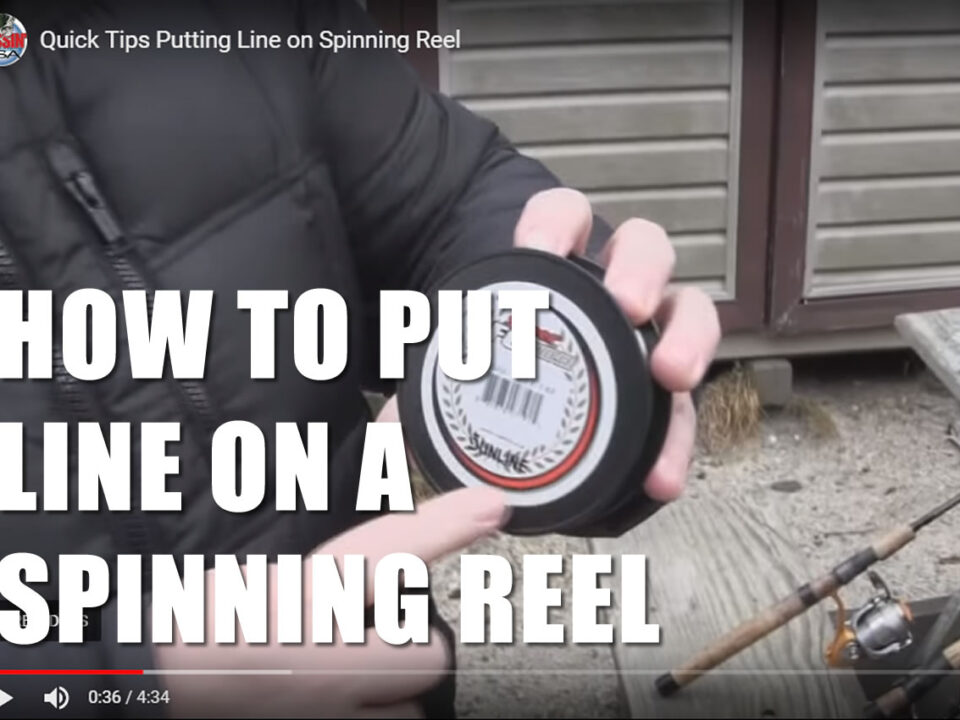
Line diameter and breaking strain should be your next consideration, Heavy line with a larger diameter will keep the bait higher in the water than a thinner and less pound test line. Situations dictate what line you can use, but as a rule of thumb, if the water is deep, you want the bait to run deep. Use ten to fifteen pound line with little or no stretch. This type of line will allow you to “feel the bait” as it runs through the water. Do not use a braided line unless you feel comfortable using it. To me, the monofilament or co-polymer lines are excellent for this particular style of fishing. In skinny shallow water presentations, choose a fifteen to twenty pound test line which will allow you to muscle fish out of shoreline structure without too much difficulty.
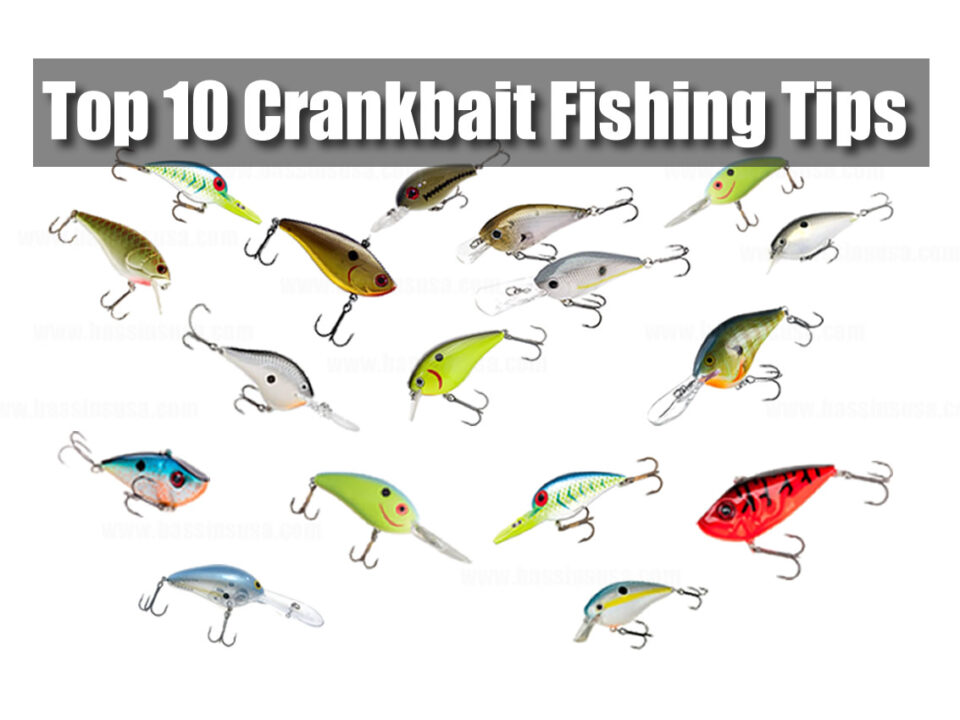
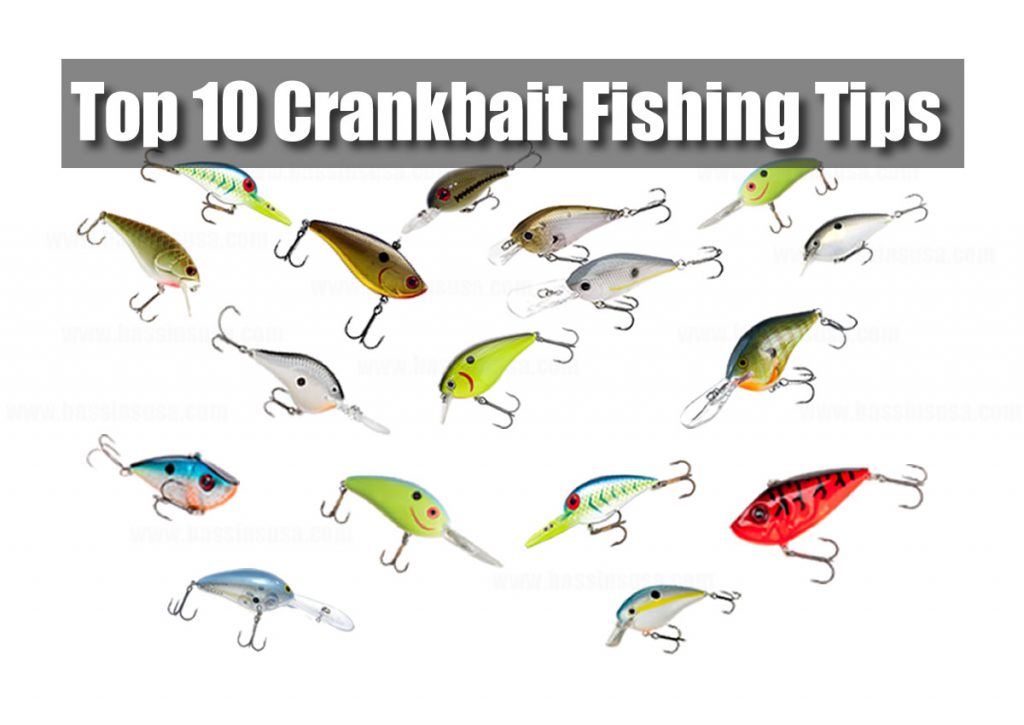
Lure size selection! Well they come in many sizes, so try to match the size of the baitfish in the area. If you do not see any bait fish to “size up with”, start with a small quarter of an ounce offering and change up until the fish bite. As for color selection, try chrome and blue, chrome and black and the white with a green or red back. All these work for me in most situations. Of course, your lake or river may need another color, so do not be afraid to experiment.
Finally, as you retrieve your lure, speed up and slow down. Also move the rod slowly as you retrieve from left to right. Then on the next cast, up and down. Try to remember when you fish any artificial bait that it is supposed to imitate a fish, and fish do not swim in straight lines! So why would you just throw a lure and turn the handle of your reel until it comes back?
Tight Lines!