
Improve your bass fishing with proven tactics and techniques for largemouth and smallmouth bass. Learn how to choose the right presentation, retrieve, depth and approach for changing conditions, cover and seasonal patterns. Explore practical how-to articles designed to help you locate bass, recognize patterns and fish more efficiently.
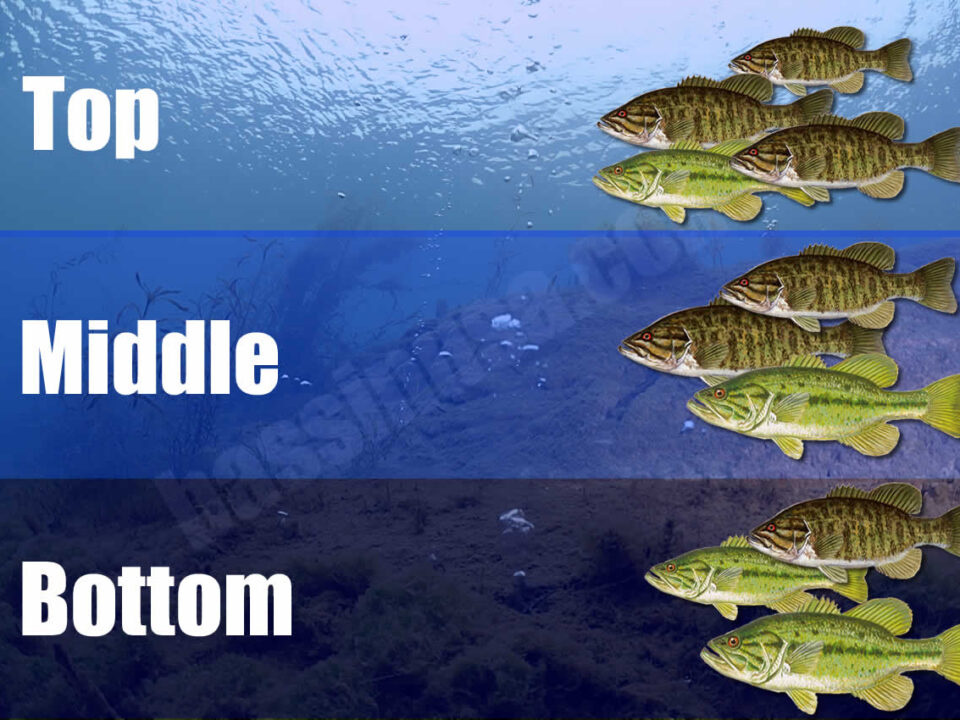
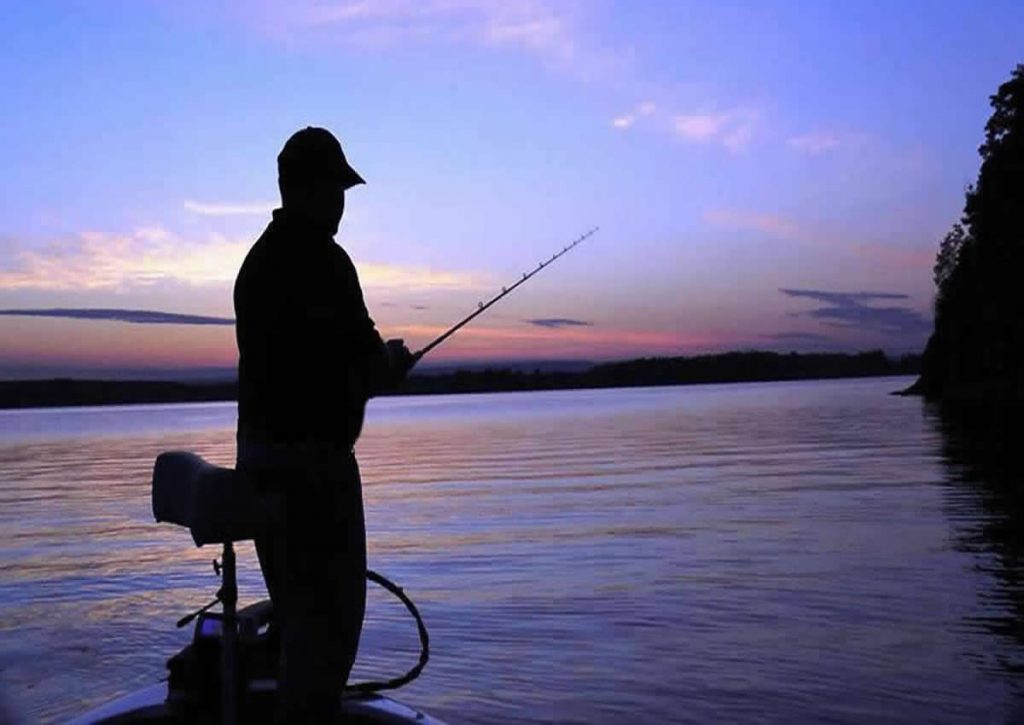
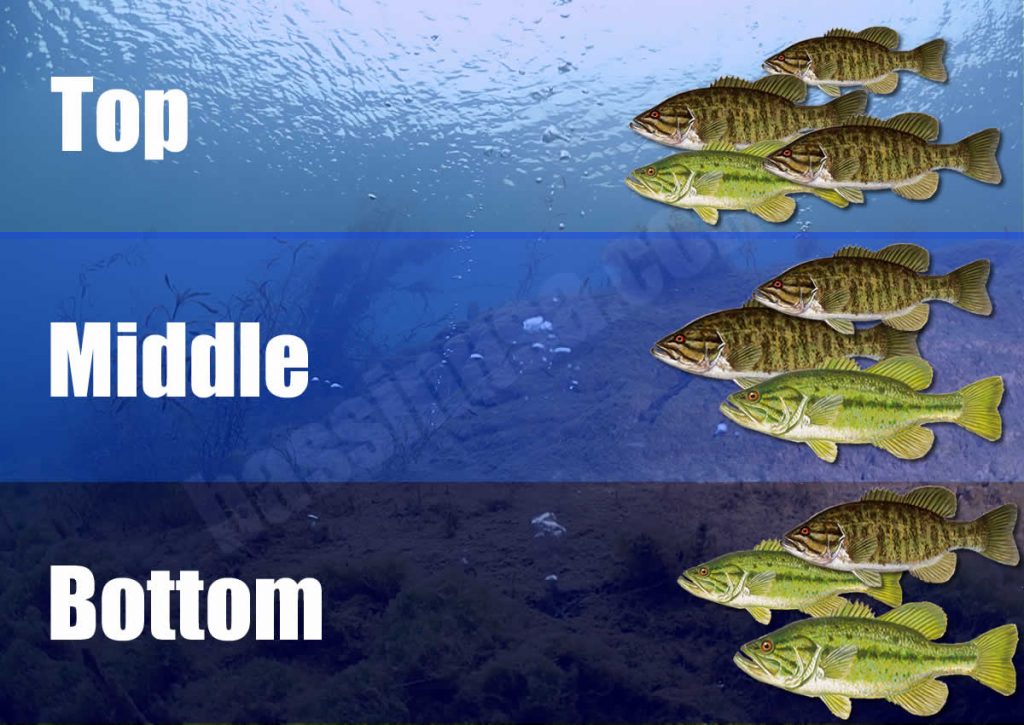
In the heat of the summer in many parts of the country, bass fishing during the day time can be brutal. With air temperatures that can rise well past the 100 degrees mark in the shade, it doesn't make for a good time on the water. In many lakes, ponds and even rivers, most bass have made transitions towards deeper and cooler water.
Man made swamps, every county has a few. Rivers and streams that have been dammed in one spot or another; creating a pool of water for industry, drinking or even recreation. These areas area usually shallow with a deeper spot by the dam, when I say deeper, I mean only around 5 to 6 feet.
So you spent the weekend reading about an interesting new fishing technique that’s all the rave on the bass fishing tournament trail. You go to your local tackle shop, pick up all the components necessary, call your buddy and head out on the lake.
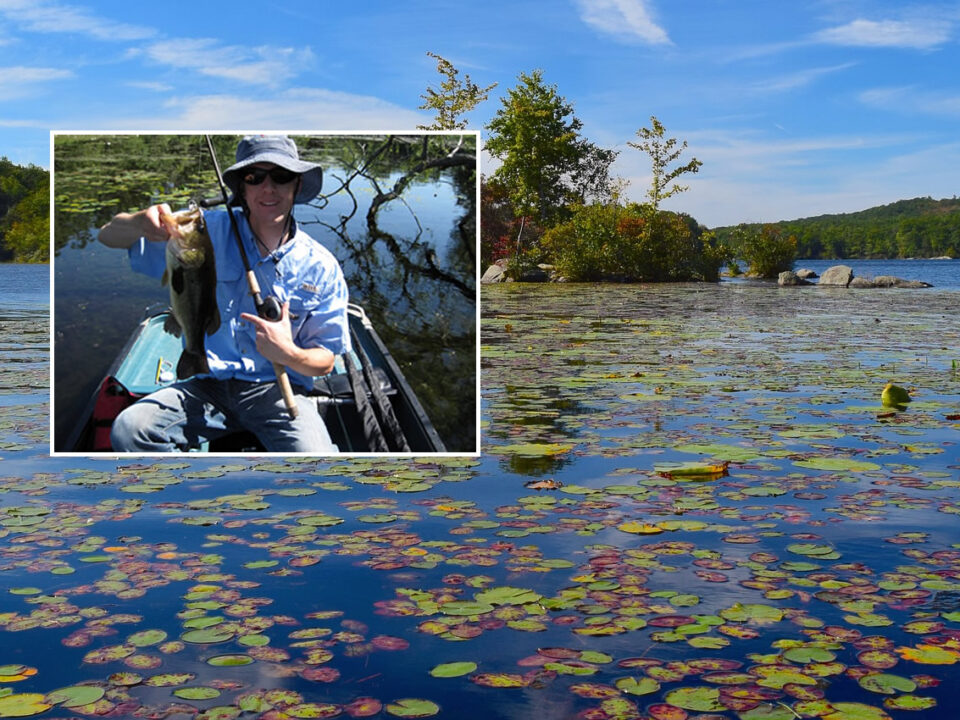
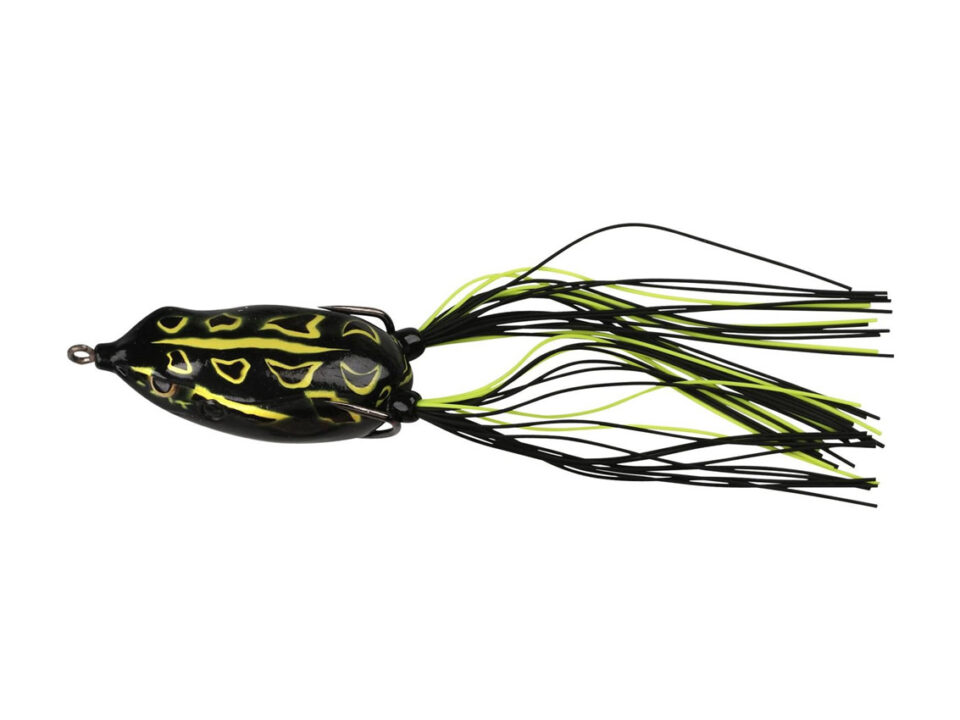
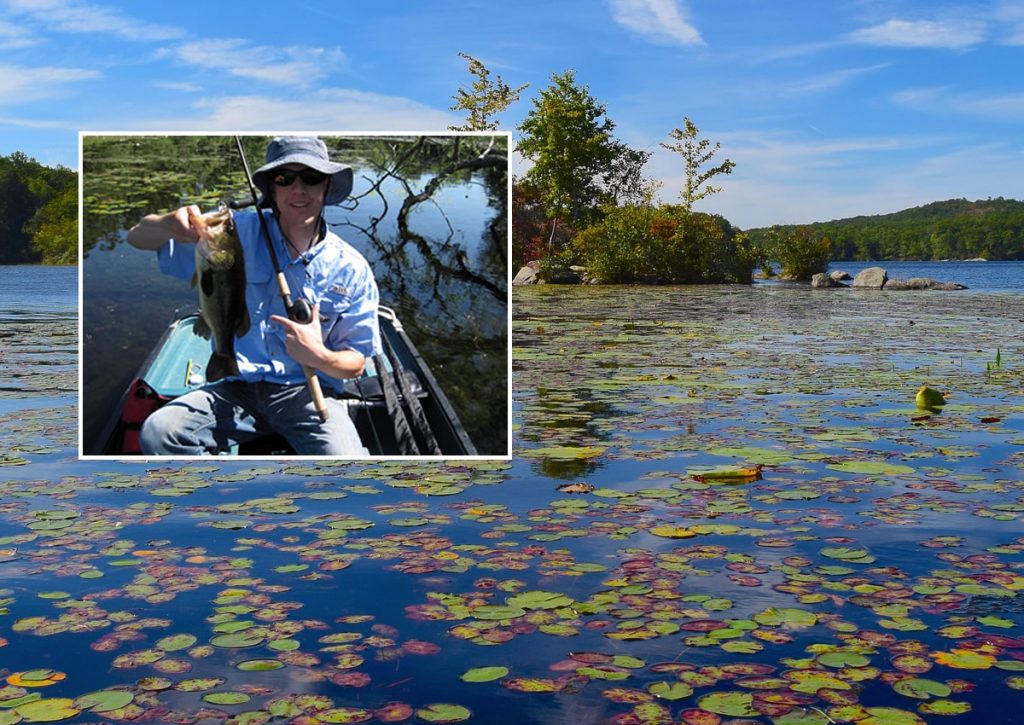
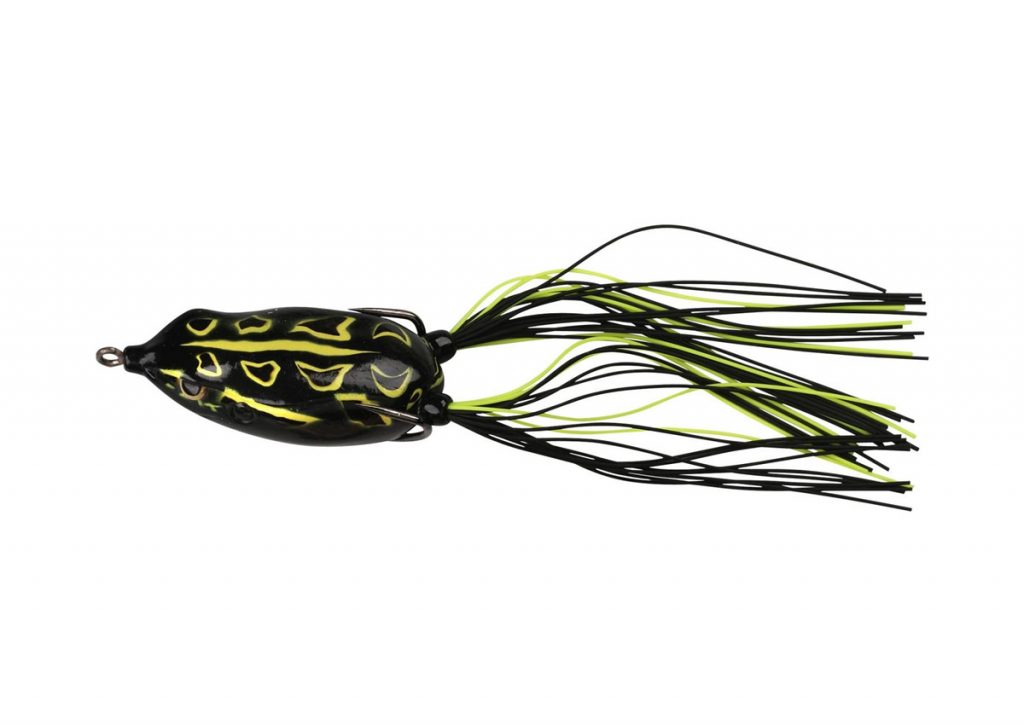
Summertime on the Mississippi river means one thing, weedless frogs. Lily pads, eel grass and any other submerged vegetation that line the ox bows , chutes and channels on the Mississippi river are stocked full of bass.
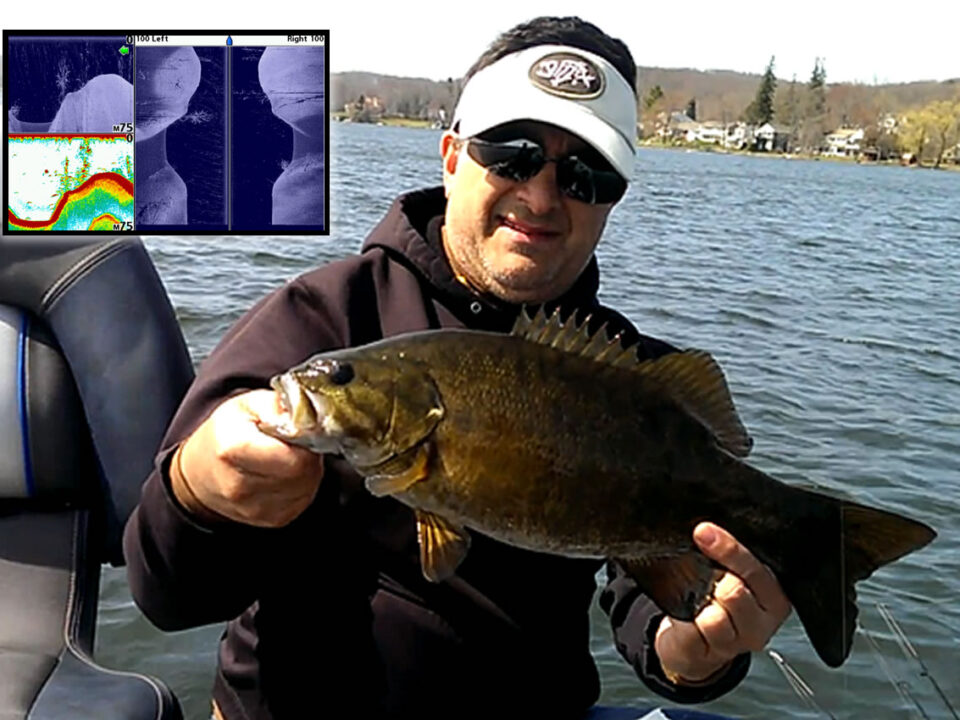
So what is a ditch and how do I find them? Ditches to put it simply are depressions in the bottom. Some people also call them a "hole". Ditches can be natural, or created by water entering a body of water.