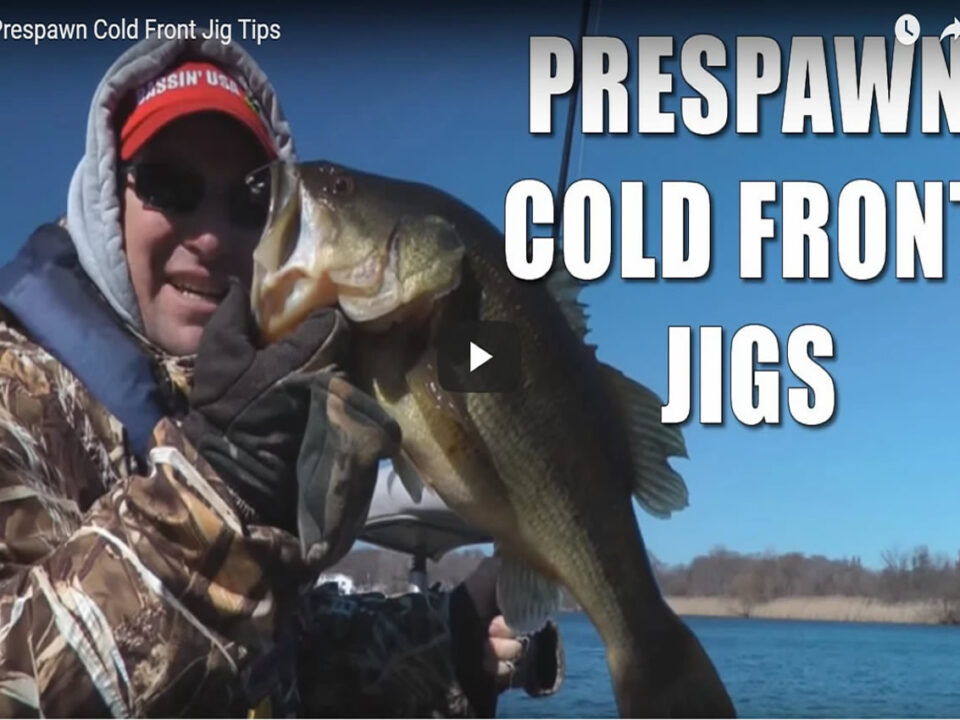
In the early spring on natural lakes and ponds, cold fronts can push largemouth bass into very predictable places. In this video we share tips for catching post frontal bass under blue bird skies with a Keitech Model 1 Jig. When water temps are still in the 40-50 degrees range, and you have clumps of grass and matted vegitation can be the ticket in shallower coves, pockets and ponds.
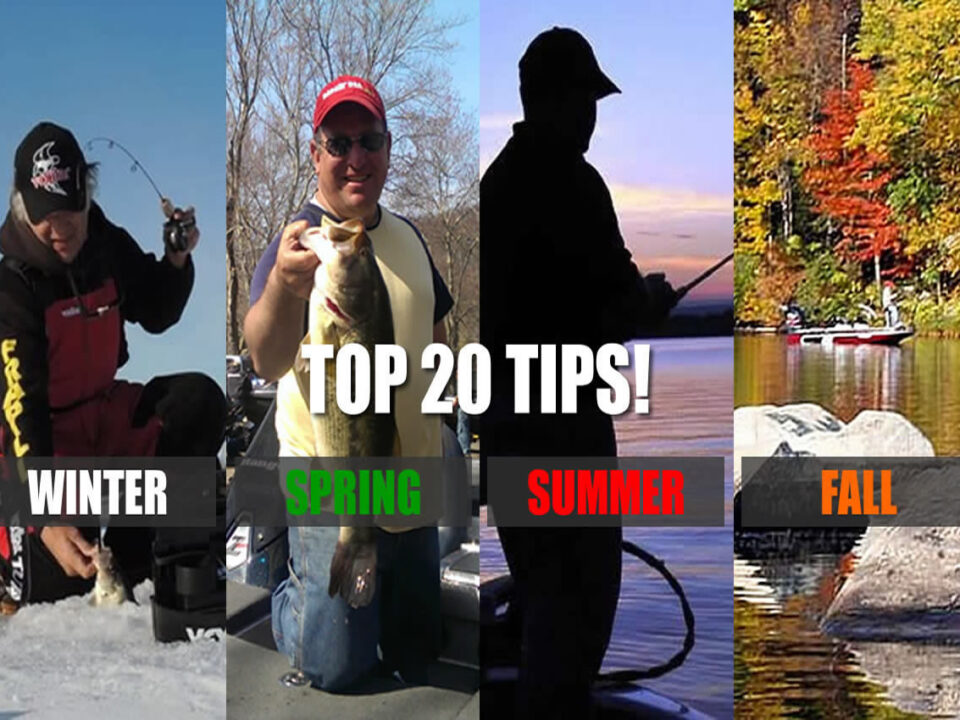
Understanding seasonal bass fishing patterns can help you locate and catch more largemouth and smallmouth bass throughout the year. Explore bass fishing tips, techniques and seasonal patterns for spring, summer, fall and winter, including how changing water temperatures, bass behavior, forage and conditions affect where bass position and how they feed.
>We picked 5 of our favorite bass fishing tips for each season and put them into a guide that's easy to follow. No matter what time of year it is, you need to be in sync with what bass are doing. Choosing the right lure, technique or presenation can make or break your day out on the water.
In the heat of the summer in many parts of the country, bass fishing during the day time can be brutal. With air temperatures that can rise well past the 100 degrees mark in the shade, it doesn't make for a good time on the water. In many lakes, ponds and even rivers, most bass have made transitions towards deeper and cooler water.
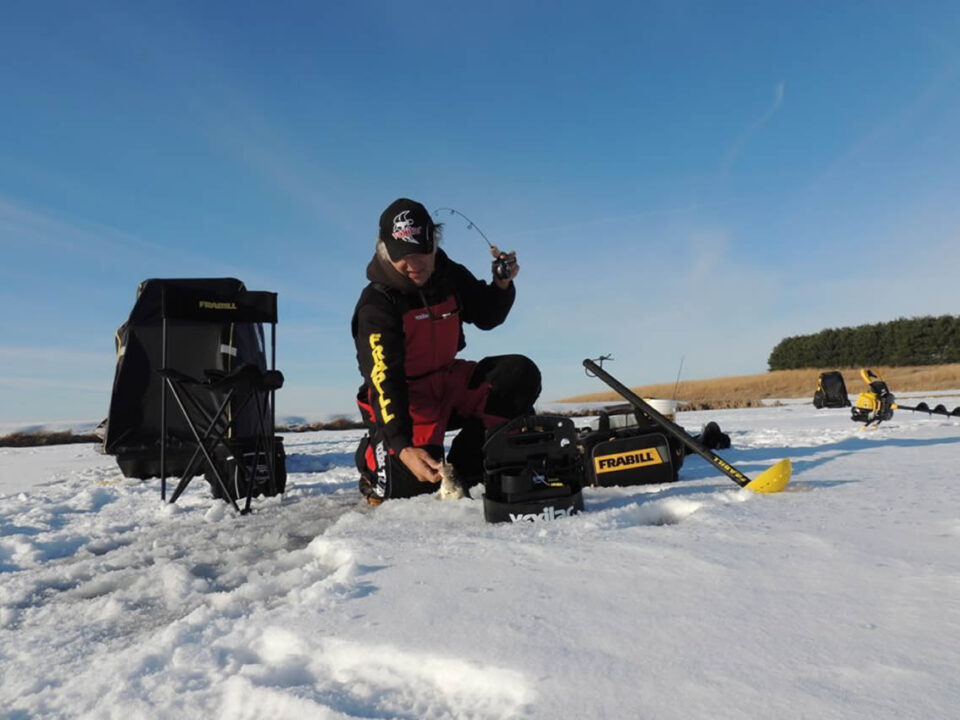
Ice out is something that is highly anticipated by the northern anglers. Many lakes, reservoirs and ponds can freeze solid for several months, keeping you away from catching bass, unless you’re an ice fishermen. As the end of winter approaches, all we keep saying is “when will the ice finally start to melt?
Everyone thinks “a bass is a bass no matter where you go“; Lake Fisherman will say that bass relate to the same cover and that bass move the same way on any body of water. Well, myself, and a lot of river rats know that’s not true!!